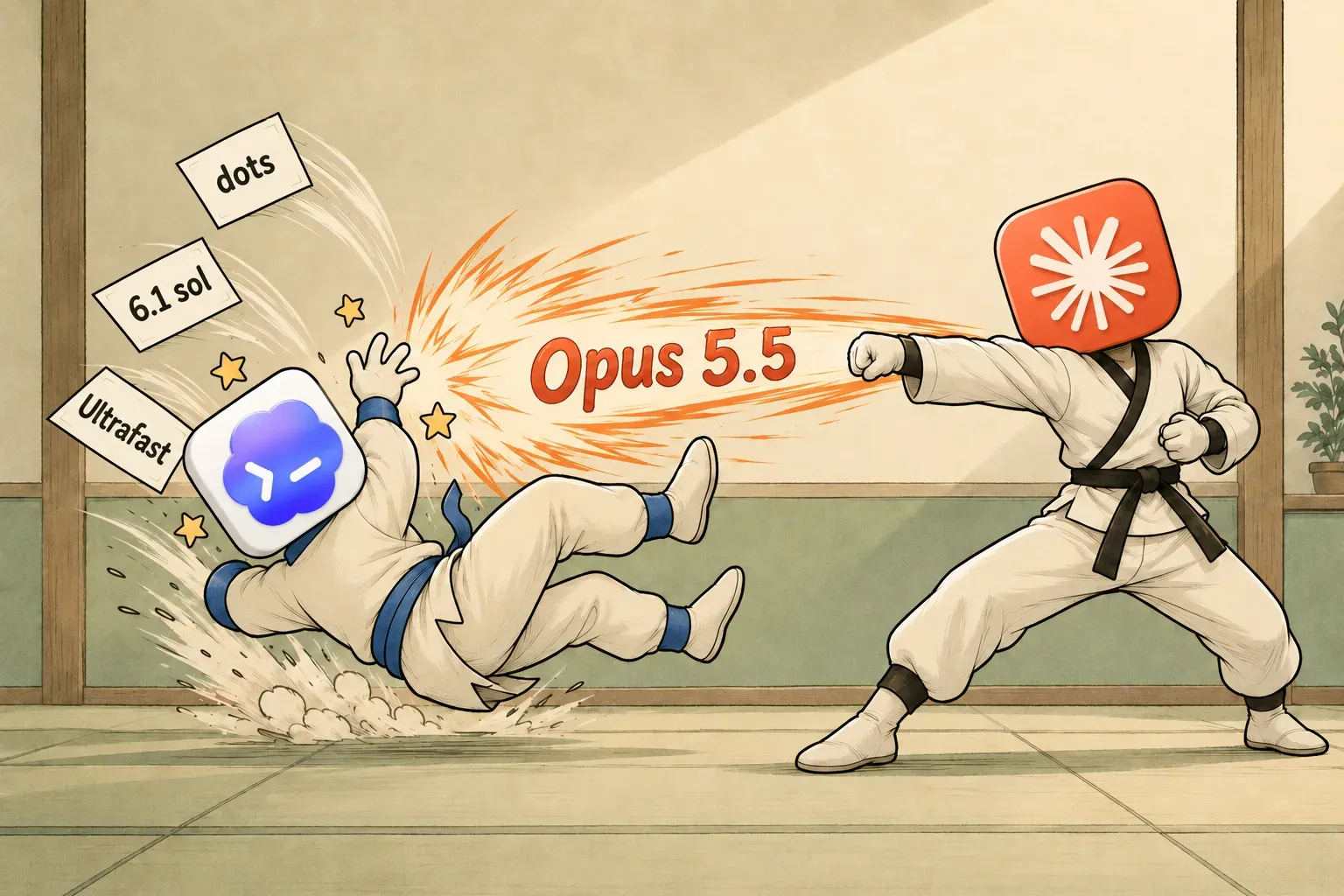
OpenAI’s DevDay is finally over. As I expected, what it shipped comes nowhere near filling the half of the usage allowance that was wiped out.
Before DevDay opened, Tibo, who leads Codex, confirmed the new multipliers in a post of his own: Plus is 1x, Pro 100 is 5x, Pro 200 is 10x. Pro 200 used to be 20x, and existing subscribers keep that only until October 29.
A lot of flashy things were announced. I will only cover the two that are actually useful to existing users.
GPT-6.1 Sol
The first is GPT-6.1 Sol.
GPT-6 Sol was panned when it launched. In my own use it was poor at computer use, it was slow, and it felt worse than GPT-5.6 before it.
6.1 is a lot more comfortable. OpenAI says it comes close to GPT-6 Astra and scores 7 percentage points higher than GPT-6 Sol on computer use testing. That matches what I see: it really is better, and it does not cost much. Without GPT-6 Sol, Opus 5.5, and the usage cut, it might have been received with applause.
For what I do, it is still less well-rounded than Opus 5.5. If I can only pick one, I pick Opus 5.5 without hesitating. Compared with Sonnet 5.5, though, 6.1 Sol is somewhat better.
While I am here: the new Pro 500 plan turned out to be the opposite of what people assumed.
At the old ratio of $200 for 20x, $500 should buy 50x. It buys 25x. What you get instead is Ultrafast, up to 8x speed in Codex, and only on models that support it. Astra currently does: 8x the speed, 8x the consumption.
So before paying $500, ask yourself whether you have any need for 8x speed.
dots
The second is dots.
dots are OpenAI’s always-on agents. Everyone starts with one dot of their own. It runs on Astra, has its own cloud computer and browser, stays online around the clock, and according to OpenAI connects to more than 4,000 apps. For now it is only offered on Pro and Business Premium.
The concept is old. The open-source OpenClaw, which Chinese users nicknamed “the lobster,” got there earlier, and Hermes Agent came after it. OpenClaw’s creator, Peter Steinberger, joined OpenAI in February to build the next generation of personal agents, so everyone could guess that OpenAI would ship something similar.
Grok has Grok Bot, Meta has Muse, and Manus is building a 24-hour agent too. There is nothing new about a dot.
The billing is also very vague.
At launch Tibo said dots do not consume your usage. The official documentation says something narrower: talking to your dot does not count, but having it open tasks in Codex or ChatGPT Work counts as usual. Tibo later acknowledged that when a dot creates a Codex task, the usage is deducted all the same.
So what can it do without calling Codex? I tried it.
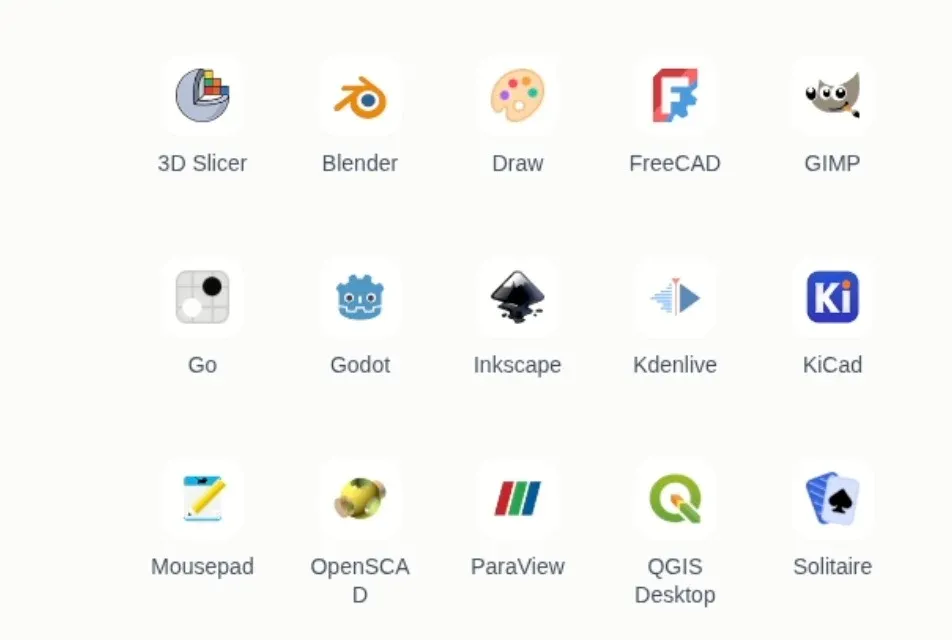
A dot’s cloud computer comes with a set of desktop software preinstalled for modeling, image editing, video editing, and game development. Most of it is open source, such as Blender and Godot.
I had it use Godot to make a small pixel-art wuxia game: one swordsman clearing three waves of guards, with sword swings, dodge rolls, and counterattacks when an enemy finishes its move. It was playable as soon as the dot was done. When I went back to check my usage, it did not seem to have moved.
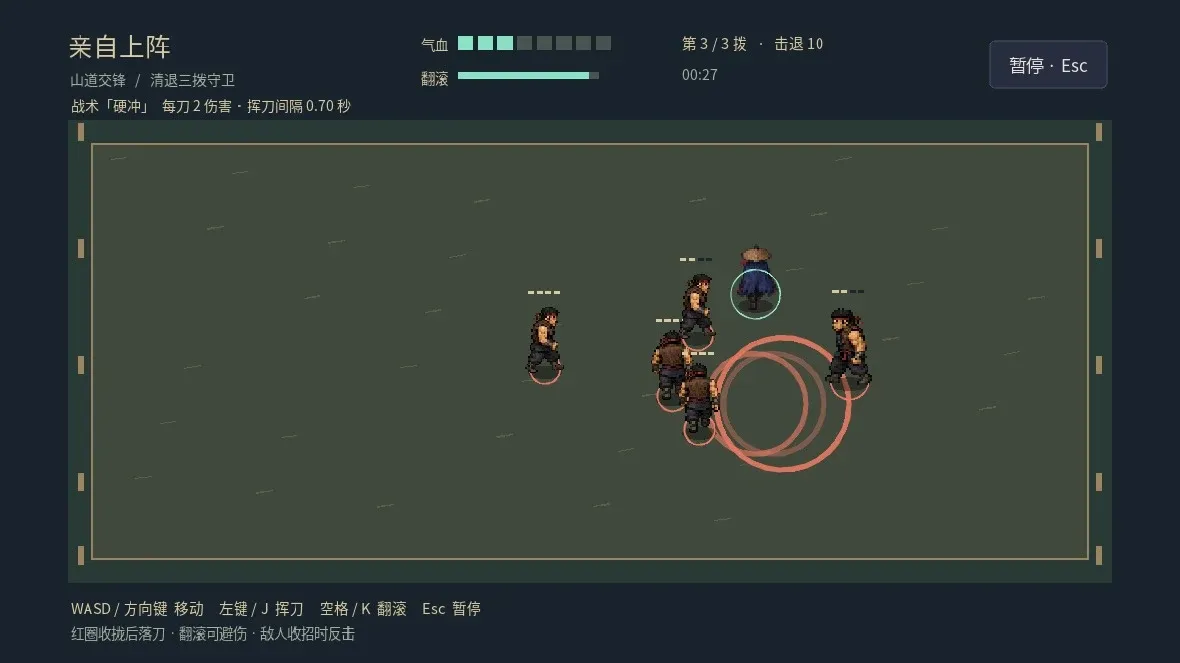
My impression is that as long as you do not explicitly tell it to call a tool like Codex, the work it does inside its own cloud computer is not deducted from your usage for now.
That is the part of dots you can actually get something out of for free.
The boundary is still blurry. Tibo said a dot doing the work directly “uses nothing.” Alexander Embiricos of the Codex team, however, said the plan includes an allowance for deeper work, and that the limit will be set very high for the next month because they are still tuning it.
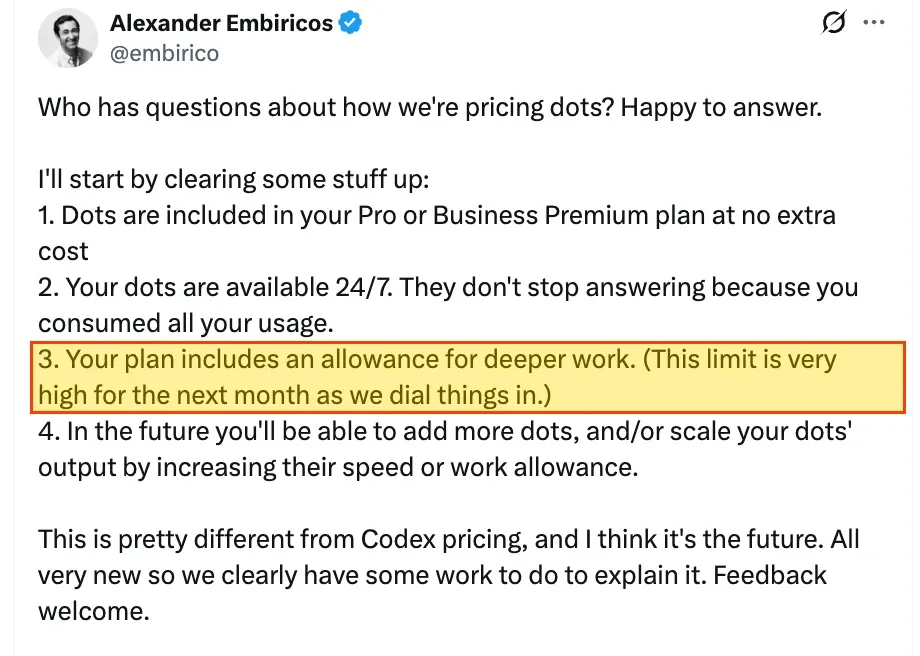
In other words, a dot’s work does have a budget. It is just left wide open for the first month. On launch day the official help page also said the usage rules for each tier would be published a month later, and that sentence has since been edited out. Whether something like building my game counts as deeper work, and how large the budget will be after a month, nobody has said.
If you have worked out a better way to use dots, tell me. I would like to learn it.
Moves and inner strength
The rest, ChatGPT Space, the plugin marketplace and so on, is ecosystem-level stuff. Apart from GPT-6.1 Sol and dots, there is really nothing worth discussing.
It feels like OpenAI has wandered off its main job again. Once the underlying model looks more or less done, it turns to building an ecosystem, shopping one moment and a browser the next, pours large resources into all of it, and then its rivals catch up.
There are three frontier model companies. Google seems to have some internal problems of its own, and everyone had been counting on OpenAI to compete with Anthropic. As it looks now, OpenAI may be about to fall behind as well. Unless it ships a model that is truly formidable, its reputation will be hard to turn around.
In fairness, the reaction to 6.1 Sol online is somewhat emotional. It is not that bad, and its thinking speed is decent.
But however many moves you know, a real fight is decided by inner strength.
OpenAI put all eighteen weapons on display this time. Anthropic threw a single move, Opus 5.5, and that was enough.